
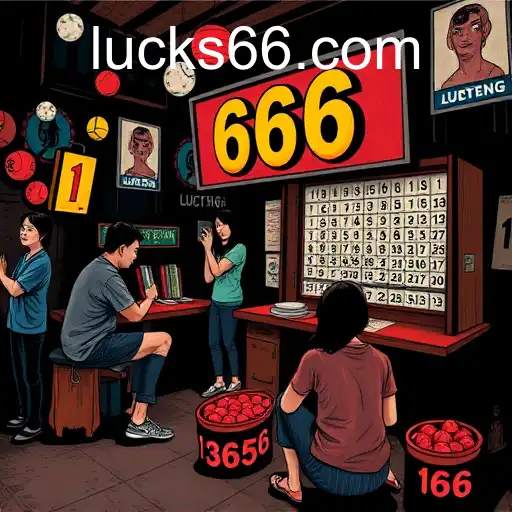

Jueteng: A Lotery Game Intricacy
Jueteng, an illicit numbers game deeply embedded in Philippine culture, is a game of chance similarly played like a lottery. It has its roots in the colonial era, symbolizing a mix of clandestine risk-taking and local beliefs in fortune. Today, even with various anti-gambling laws attempting to curtail its operation, Jueteng remains a fixture in many communities across the Philippines.
The Mechanics of Jueteng
The game involves choosing a set of numbers, usually from 1 to 37, and players purchase tickets in hope of matching the drawn numbers for that day. Collections and draws might be carried out daily or several times a week. The draw itself is often conducted with small balls, akin to the more formal lottery systems. Local jueteng operations depend largely on a network of individuals known colloquially as 'cobradores' and 'kabo', who handle bets and collections.
Understanding the Role of Luck66
In the context of Jueteng, terms like 'Luck66' often emerge, showcasing the mythical and mystical aspect locals attribute to numbers. Many believe in the mystical power of numbers and their ability to influence outcomes in gambling. Players frequently consult with mystics or rely on dream interpretations to guide their choices, often associating certain numbers with personal lucky omens or recurring patterns. Luck66 represents a concept whereby operators might brand their operations or approach during peak periods of patronage, aiming to bolster attractiveness among players.
Cultural Significance of Jueteng
The cultural aspect of Jueteng cannot be overstated. It's not merely a form of gambling but also a social activity that connects people from various walks of life. Community members gather, discuss daily affairs, and bond over their predictions and bets. Moreover, Jueteng is often romanticized in popular media and folklore, further cementing its status in the cultural fabric. Its persistence can be attributed to the socio-economic conditions prevalent in many areas, where opportunities for quick financial gain are limited.
Economic Impact and Spread
Despite its illegal status, Jueteng continues to flourish because it embodies a significant informal economy. The game generates income for those who work in its operations, providing a livelihood for many who otherwise might be unemployed. Funds from Jueteng often infiltrate back into the community through informal channels, albeit lacking traceability and formal taxation. The shadow economy it fosters highlights broader issues of governance and the need for societal reform.
Challenges in Regulation
Efforts to regulate or eradicate Jueteng have been a long-standing challenge for law enforcement in the Philippines. While successive administrations have promised crackdowns, enforcement remains sporadic at best. Regulatory difficulties stem from Jueteng's deep entrenchment within the community and the protection it enjoys from powerful patrons. To combat this, some regions have experimented with legalizing similar forms of gambling, hoping to curb illegal activities by providing state-controlled alternatives.
The Future of Jueteng
The future of Jueteng remains uncertain. While it stands as a potent cultural symbol, governance improvements and stricter enforcement of gambling laws could curb its spread. Conversely, some argue for its legalization and regulation as a means of easing the fiscal deficit and promoting better oversight. The path towards either outcome will require delicate negotiation, balancing cultural heritage with economic and legal imperatives. Understanding community needs and fostering alternative economic opportunities are crucial strategies in addressing the continued allure of Jueteng.
90BB.com